Moving Tips Torquay

How to Move Smart, Save Money & Choose Removalists

Moving is more than just transporting boxes — it’s about doing every efficiently, safely, and without unnecessary stress.

This Torquay moving information is born from real experience, giving you clear, practical insights into planning your move, protecting your belongings

Everything for your Torquay move

We have tried to create a logical way of displaying this information for you.

The information logically splits into three sections outlined below.

Click on the the section you need, learn how to move like a pro.

Planning ideal starts months before the move, or as soon as possible.

What you need to Plan
The timeline, storage, decluttering, boxes, removalists, trucks etc.
Different from planning - this section contains useful tips.

Saving money, avoiding mistakes, choosing removalists/trucks, calculating volumes etc.

The Planning Phase

Everything you do before you physically pack and move is in this planning section!
And it's probably the most important section here - so scroll through it.

Useful information

To help you get through the planning stage, here is all the information that you need!

The Actual Move

The Planning Phase

The Earlier You Start, The Easier Everything Becomes
This is the most important of all the phases, because good planning changes the entire moving experience.
The earlier you start preparing for your move in Torquay, the more control you’ll have over your time, budget, and stress levels.
It also gives you the opportunity to make smarter decisions instead of rushing through everything at the last minute.
As experienced removalists in Torquay, we’ve seen firsthand how much smoother moves become
when people give themselves enough time to prepare properly.
The most stress-free moves are almost always the ones where planning started early.
It's not a huge amount of work if you start early enough.
Just keep chipping away at this and the other stages and you'll feel great, save money.​

Timeline & Planning Your Move (Moving tips)

How Is Everything Actually Going To Work?

A successful move isn’t just about moving boxes from one house to another — it’s about making all the moving parts line up properly.

The dates, the keys, the cleaners, the bank, the settlement, the removalists, access to the property… when one thing falls behind, it can create stress very quickly. One of the smartest things you can do when planning a move in Torquay is create as much flexibility as possible.

If there’s any way to give yourself even a small overlap between properties, do it.

A couple of extra days can completely change the experience of moving house. It gives you breathing room if something gets delayed, allows more flexibility with cleaners and movers, and removes the pressure of trying to complete everything in a single exhausting day. It can also save you in the event of settlement delays, key handover issues, weather, or unexpected emergencies.

Even people who think they have “plenty of time” benefit enormously from mapping out a timeline. Without one, tasks have a habit of bunching together right at the end.

As experienced removalists in Torquay, we’ve seen how much smoother moves become when people plan the process properly from the start.

🗓️ Create a Realistic Moving Timeline

A good moving timeline doesn’t need to be complicated, but it should cover the important stages of the move.

Think about:

    • When settlement occurs
    • When keys are available
    • When cleaners are booked
    • When utilities are connected
    • When your removalists are arriving
    • Whether storage might be needed
    • Whether you have early access to the new property

The earlier you organise these things, the more options you’ll have.

Good cleaners and reliable Torquay removalists often book out earlier than people expect, especially during busy periods and weekends. Leaving things too late can mean settling for whatever is available rather than choosing the service you actually want.

One of the best approaches is to secure your removalist early, lock in your preferred moving date, and then fine-tune the quote closer to the move once you know exactly how much needs to be moved.

How Do You Actually Want to Move? (Moving tips)

This is something people often don’t think about enough.

Before you start booking things, it’s worth asking:

    • What parts of the move do you want to handle yourself?
    • What would you rather have done professionally?
    • What level of stress are you comfortable with?
    • What’s the balance between budget and convenience?

There is no right or wrong way of doing the move. But I can tell you that it is increasingly common for people to just outsource the aspects of the move that they just don’t want to do – customer will do all the little plants in their car, they’ll pack everything in boxes and put these in stacks, they’ll dismantle anything that needs dismantling. And then on moving day our Torquay removalists will just trolley all the boxes into the truck pack the furniture and take it all to the new house. This often takes 5 or 6 hours instead on 8 hours. The customers then often clean the house themselves.

Some people want a full-service move where everything is packed, moved, and assembled for them. Others prefer to pack themselves and only use movers for the heavy lifting. A lot of people end up somewhere in the middle with a more limited service that fits their budget while still removing the hardest parts of the move.

The important thing is exploring your options early enough to compare them properly.

🚛 Hiring a Truck Yourself vs Using Removalists

On paper, hiring your own truck can look cheaper.

But most people underestimate how much work is actually involved.

Driving a truck you’re unfamiliar with, lifting heavy furniture all day, navigating tight driveways, protecting furniture properly, securing loads, managing ramps, and avoiding damage to houses or vehicles is a lot harder than it seems.

There’s also the equipment side of things:

    • Trolleys
    • Furniture blankets
    • Straps and tie-downs
    • Ramps
    • Load planning

Professional Torquay removalists like Easy Eagles already have systems and equipment designed to make moves faster, safer, and more efficient. They know how to take items apart, they know what will fit through a doorway and what’s going to be fastest and safest. 

One of the biggest hidden risks with truck hire is overhead damage. Garages, carports, trees, and tight streets filled with lots of vehicles catch people out constantly and cost them a lot in insurance excesses. It’s more common than most people realise.

To find out more about Easy Eagles and what we can offer as a Torquay removalists – please click here to go to our main Torquay page.


Budgeting for the move? (Moving tips)

A Well-Planned Budget Can Save You More Than Just Money

One of the biggest mistakes people make when moving house is only budgeting for the removalists.

In reality, moving involves dozens of smaller expenses that quickly add up if you haven’t planned for them. Creating a moving budget early helps you stay in control, avoid nasty surprises, and make better decisions about where your money is best spent.

A little planning now can save a lot of stress later.


🚚 Get Quotes Early

One of the first things to organise is obtaining quotes for the services you’ll need.

If you’re planning to use removalists in Torquay, request quotes as early as possible. This not only gives you more choice of moving dates, but also allows plenty of time to compare pricing, services, and reviews without feeling rushed.

The same applies to cleaners, storage facilities and any other services you may need during the move.

Booking early doesn’t necessarily lock you into the exact details either. Many removalists can adjust the final quote closer to moving day once you’ve finished decluttering and have a better idea of exactly what needs to be moved.


🚛 Removalists or Hire a Truck?

If you’re weighing up whether to hire a truck yourself or use professional movers, compare the total cost rather than just the advertised price.

Hiring a truck often means budgeting for:

    • Truck hire
    • Fuel
    • Excess insurance
    • Trolleys
    • Furniture blankets
    • Ratchet straps
    • Extra helpers
    • Food and drinks for everyone helping
    • Your own time and energy

Professional Torquay removalists usually include the truck, equipment, experienced staff, and the systems that make the move faster and safer. Sometimes what looks more expensive at first actually works out cheaper once everything is considered.


📦 Don’t Forget the Little Things

The smaller expenses are often the ones people overlook.

Think about:

    • Moving boxes
    • Packing tape
    • Labels and markers
    • Mattress protectors
    • Bubble wrap or packing paper
    • Furniture covers
    • Cleaning products
    • Trailer hire
    • Skip bins

None of these costs are huge individually, but together they can become a significant part of your moving budget.

Planning ahead also allows you to source boxes second-hand, rent reusable crates, or gradually collect materials instead of buying everything in a panic the week before.


🔌 Utilities & Connection Fees

Don’t forget to budget for setting up your new home.

Depending on your circumstances, you may have costs associated with:

    • Electricity
    • Gas
    • Internet
    • Water
    • Mail redirection
    • Security systems
    • Subscription address changes

Some providers charge connection or disconnection fees, while others require appointments that should be booked well in advance.

Having these organised before moving day means you’ll arrive at a home that’s ready to live in rather than spending the first few days chasing utility companies.


🧹 Cleaning Costs

Whether you’re vacating a rental or preparing a home for sale, cleaning is another expense worth planning for.

Professional cleaners can save an enormous amount of time, but like Torquay removalists, the best ones are often booked well in advance.

Get several quotes, read reviews carefully, and don’t choose purely on price. A poor clean can end up costing far more if you need to return and redo the work yourself or lose part of your bond.


💡 Build in a Contingency

No matter how well you plan, unexpected costs can appear.

You might need extra packing materials, another storage week, an additional trailer load, or an extra hour with your removalists.

Setting aside a small contingency fund means these surprises don’t become major problems. Even a few hundred dollars can provide valuable peace of mind during what’s already a busy time.


📊 Spend Where It Saves You Money

The cheapest option isn’t always the most economical.

Sometimes spending a little more on quality boxes, experienced removalists in Torquay, or professional cleaners actually reduces your overall moving costs by saving time, preventing damage, and avoiding expensive mistakes.

A well-planned move isn’t about spending less on everything—it’s about spending wisely.

🧠 Reflection Before You Move (Moving tips)

How Do You Actually Want to Live?

I know, I know, we’re getting a bit too deep here. But I move enough people that it’s something that I am passionate about – people often are not living the way they want to live – they have too much stuff – things they have carried around for years, things with sentimental value, things they don’t really want. All these things need to be stored, so they have more cupboards and units to house them all.

Moving house is one of the rare opportunities where you get to completely reset your environment, be the best version of yourself and save money!

Instead of rushing straight into packing, it’s worth stepping back and asking yourself what you actually want in your new home. Most people move far more than they truly need, simply because it feels too difficult to deal with everything at once.

If you gradually work through the house room by room, it becomes surprisingly easy to reduce what you own without it feeling overwhelming. Even getting rid of ten percent from each room can completely change the scale of your move.

Less clutter means:

    • Less packing
    • Lower moving costs
    • Faster loading
    • Less unpacking
    • More space in your new home

      Selling items on Marketplace, donating usable things, or throwing what’s no longer worth keeping into a skip can make the whole move feel lighter and more organised. 

      And once you have got rid of 10% from each room, have a little break, sell all the items. Then…. do it again, go through the house and find more to get rid of!

Useful Information

this section is not planning, and not quite moving, this is somewhere in the middle of the two.
It's useful information that we have put together for you to help with your move.

🚚 Common Moving Mistakes (And How to Avoid Them)

No matter how organised you think you are, almost everyone makes at least one mistake when moving house.

The good news is that most moving problems are completely avoidable. After helping hundreds of families move around Torquay and beyond, we’ve seen the same issues come up again and again.

Here are the biggest mistakes people make—and how you can avoid them.

📅 1. Leaving Everything Until the Last Minute

This is by far the biggest mistake we see.

Packing always takes longer than people expect. Organising utilities, cleaning, changing your address, booking removalists, and trying to keep life running at the same time quickly becomes overwhelming.

The earlier you start, the more control you’ll have over the entire move.

Even spending just 20–30 minutes a day in the weeks leading up to your move makes an enormous difference.

🧹 2. Paying to Move Things You Don’t Even Want

Every box costs money.

Whether you’re paying professional removalists in Torquay or hiring your own truck, the more you move, the more time, effort and expense is involved.

Ask yourself one simple question:

“If I didn’t already own this, would I buy it again today?”

If the answer is no, why pay to move it?

Moving house is one of the best opportunities you’ll ever have to simplify your life.

📦 3. Using Whatever Boxes You Can Find

It might seem like you’re saving money by collecting random supermarket boxes, but in reality they usually cost more.

Different sized boxes don’t stack well.

Weak boxes collapse.

Oversized boxes become too heavy.

Professional moving boxes are designed to stack efficiently inside trucks, fit through doorways and protect your belongings properly.

Good boxes often pay for themselves by making the move significantly faster.

⚖️ 4. Packing Boxes That Are Too Heavy

This happens constantly.

Books, tools, canned food and kitchenware all belong in smaller boxes.

Large boxes should be reserved for lighter items like bedding, cushions, toys and clothing.

Heavy boxes are harder to lift, easier to break and slower to move.

🛋️ 5. Not Measuring Furniture

It’s amazing how often large furniture arrives at a new house… and simply won’t fit.

Measure:

  • Fridges and fridge cavities
  • Couches/lounges
  • Doorways
  • Hallways
  • Stairwells
  • Elevators
  • Tight corners

Also measure the furniture itself.

Sometimes selling an oversized couch before moving saves hundreds of dollars compared to paying to move it only to replace it later.

🚚 6. Choosing the Cheapest Quote Instead of the Best Value

Everyone wants to save money.

Unfortunately, the cheapest quote isn’t always the cheapest move.

Some companies provide very low estimates, then:

  • Charge high hourly rates
  • Arrive with trucks that are too small
  • Require multiple trips
  • Add unexpected costs

Look for value instead of simply looking for the lowest number.

Read reviews carefully and make sure pricing is transparent.

📍 7. Forgetting About Access

One question we always ask is: “How easy is it to access both properties?”

Long driveways……..Steep staircases…….Underground car parks.

Busy streets…….Limited parking.

These all affect how long a move takes.

Thinking about access beforehand helps everyone plan properly.

🎒 8. Not Packing an Essentials Box

After a long moving day, the last thing you want is to search through fifty boxes looking for your phone charger or toothbrush.

Pack one clearly labelled box with everything you’ll need for the first 24 hours.

Think about:

  • Chargers
  • Medication
  • Kettle
  • Tea and coffee
  • Toilet paper
  • Basic cleaning supplies
  • Children’s essentials
  • Pet supplies
  • Fresh clothes

You’ll thank yourself later.

🔌 9. Forgetting Utilities

There’s nothing worse than arriving at your new home and discovering there’s no internet… or no electricity.

Yes this really happens, most of the time it’s not a big deal but sometimes its 40 degrees and you really want the fridge working before some unknown time of day tomorrow!

A few weeks before moving, organise:

  • Electricity
  • Gas
  • Internet
  • Mail redirection
  • Home insurance
  • Address updates

These jobs take far longer than most people expect.

🛏️ 10. Forgetting How Important the First Night Is

People often focus so much on moving day that they forget about arriving.

Think about what you’ll actually want that first evening.

Have the beds ready to assemble.

Know where your linen is.

Make sure the kettle, coffee, chargers and toiletries are easy to find.

A comfortable first night makes the entire move feel more manageable.

👨‍👩‍👧‍👦 11. Asking Friends to Help Without a Plan

Friends are fantastic…

…until you’re trying to coordinate six different arrival times, nobody knows where anything goes, and someone hurts their back carrying your fridge.

If friends are helping, give everyone a clear job.

Better yet, let them help with unpacking while experienced movers handle the heavy lifting.

Everyone enjoys the day more.

💎 12. Forgetting That Time Is Money

People often focus on hourly rates instead of total moving time.

A professional team with the right truck, proper equipment and years of experience may finish several hours earlier than an inexperienced crew.

The cheapest hourly rate doesn’t always produce the cheapest invoice.

The goal isn’t finding the cheapest mover.

The goal is finding the most efficient one.

⭐ The Biggest Tip We Can Give You

Moving house isn’t won on moving day.

It’s won in the weeks beforehand.

The people who start early, declutter properly, pack well and choose experienced Torquay removalists almost always have the smoothest, least stressful moves.

Preparation is the difference between a move you’ll never want to do again…

…and one that simply becomes another exciting step into your new home.

🏢 Storage in Torquay

One Local Business We’re Happy to Recommend
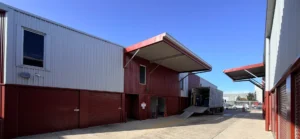
Moving tips - use Store and more Torquay, with Easy Eagles unloading

Sometimes moving dates don’t line up perfectly – You might be waiting on settlement, renovating your new home, downsizing, or simply need a bit more time before everything can be moved into its final place. 

That’s where storage becomes one of the best tools for reducing stress during a move.
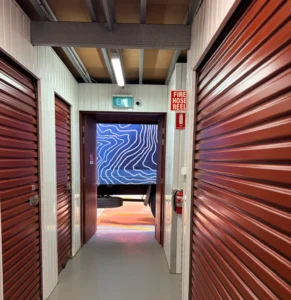
Over the years, we’ve worked with a number of storage facilities, and one business we’ve been consistently happy to recommend is Store & More – Their facility is modern, clean, secure and, just as importantly, easy to access with moving trucks. Good access makes a real difference on moving day, helping to keep loading and unloading efficient and reducing the time your removalists spend on site. 

We’ve always found the team at Store & More to be friendly, professional and easy to deal with. 

Having a reliable local storage provider gives our customers another option when their moving timeline doesn’t quite go to plan.

Storage isn’t only for people who are inbetween houses either. It can also be incredibly useful if you’re renovating, preparing a property for sale, decluttering before putting your home on the market, or simply needing somewhere safe for furniture while life catches up.

If you’re storing your belongings for a short period, convenience is probably the most important factor, and choosing a local storage facility like Store & More can reduce travel time, fuel costs and overall moving time, often saving more money than people expect.

Store and more Torquay, and Torquay Removalists - Easy Eagles' Truck

As experienced removalists in Torquay, we’re always happy to coordinate moves directly into or out of storage, making the transition as simple as possible.

If you’re looking for storage as part of your move, Store & More Torquay is a local business we’re confident recommending to our customers.       

Click here to go to the Store and More website
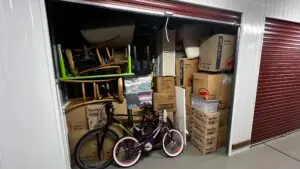
📐 Bonus Points — Measure Everything (Moving tips)

You will be a very rare customer if you do this – you’ll be in the top 1%!

Before moving day, measure:

  • Large couches
  • Fridges
  • Beds/Bedheads
  • Dining tables

There’s no point paying to move a huge couch into a new house if it doesn’t fit properly — especially if you were already considering replacing or selling it anyway. Get rid of it, save money on the move and have a nice new couch on day 1.

Creating a rough floor plan of your new home can also help enormously when deciding where furniture should go. It speeds up moving day and avoids unnecessary shifting later.

🧠 Volume Calculation (Moving tips)

One of the first questions you’ll be asked when getting a quote from a removalist or booking a storage unit is:

“How much are you moving?” – the answer most people give is “just a normal amount” but the variance is massive, a job can be 4 hours or 14 hours just locally, a 3 person house can, on occasion fill even a large removal truck 3 times!!

The correct answer is usually measured in cubic metres (m³), and getting it reasonably accurate is useful. It helps determine the right truck size, the amount of labour required, how long the move is likely to take, and, if you’re using storage, the size of the storage unit you’ll need.

Many people try to estimate their volume by measuring their furniture and adding it all together. Unfortunately, it isn’t that simple.

Furniture Doesn’t Pack Like Building Blocks

The biggest mistake people make is assuming everything fits together perfectly. It simply doesn’t – A dining table might technically occupy two cubic metres, but you can’t usually pack another two cubic metres neatly underneath it. Dining chairs, coffee tables, entertainment units and bookshelves all create awkward spaces that can’t always be filled efficiently. Professional removalists call this dead space.

Every truck has unused gaps created by the shape of furniture, and these gaps are simply part of moving house. That’s why two homes with exactly the same amount furniture can end up requiring different truck sizes.

Fragile Items Need Their Own Space

Another thing people often overlook is that not everything can have other items stacked on top of it. A box of books can happily support other boxes of books – maybe 3 or 4 depending on how it’s packed. A carton of glasses can’t support much at all.

The same applies to glass tables, mirrors, artwork, televisions, lamps, antiques and many pieces of furniture.

These items require protected space inside the truck, nothing can go on or against them often, which means they often occupy more volume than their physical dimensions suggest.

Protecting your belongings properly is far more important than squeezing every last centimetre out of the truck.

Don’t Forget the Boxes

Boxes are one of the biggest things people underestimate. When people look around their home they naturally think about the furniture, but once everything has been packed, dozens of boxes suddenly appear (and by dozens we sometimes mean 10 dozen, no I’m not joking)

The average family home will often have:

  • Kitchen boxes
  • Pantry boxes
  • Linen bags
  • Clothes bags
  • Garage items
  • Toy boxes
  • Book boxes
  • Laundry bags and boxes
  • Office supplies

These all take up significant space. It’s not unusual for the packed boxes alone to represent a large percentage of the total moving volume – sometimes it’s 50% of the volume, but often it’s around the 20% mark.

Every Home Packs Differently

Two identical houses will have completely different moving volumes.

One family may have lived there for two years. Another may have lived there for twenty. Some garages are almost empty whilst others are packed floor to ceiling.

Outdoor furniture, sheds, workshops, sporting equipment, kayaks, surfboards, bicycles and garden tools all add volume that people often forget to include.

Why Professional Estimates Are More Accurate

Experienced removalists in Torquay don’t just count furniture items.

They look at:

  • The type of furniture
  • How it loads into a truck
  • Dead space
  • Fragile items
  • Box quantities (or estimates)
  • Garage contents
  • Outdoor items
  • Storage requirements
  • Access at both properties

Years of experience allow them to estimate volume surprisingly accurately because they’ve loaded thousands of homes before.

💡 Our Advice

Don’t stress about calculating the exact cubic metres yourself.

Getting close is helpful, but estimating volume is something experienced local Torquay removalists do every day. If you’re unsure, it’s always better to ask for a professional assessment than to risk booking a truck that’s too small or paying for storage you don’t actually need.

A good estimate doesn’t just save money—it helps your entire move run more smoothly.

Using Cleaners

Good cleaners are worth organising early too.

Just like with removalists in Torquay, quality cleaners tend to book out ahead of time, especially around busy moving periods.

Reviews matter here more than price alone. A cheap cleaner who misses important details can end up costing you far more in stress, lost bond money, or the time required to redo the work yourself.

Unfortunately, this happens more often than people think. I hear so many horror stories from our customers.

Book trusted cleaners early – this gives you far more confidence that the final stage of your move will go smoothly – they will turn up, they will do a good job, you won’t have to do anything.

Using removalists (Moving tips)

I’m not going to tell you to just choose us.

Honestly, I’ll give you the same advice I’d give someone who lives 10,000kms away on a job I would never be able to do.

My first tip:👉 Read reviews carefully and understand the pricing properly.

Please read reviews – there are removalists who break things, other removalists frequently don’t turn up, there are rude and aggressive removalists. Yes, all down here on the Surfcoast and Bellarine and Geelong. People book them, then tell me their horror stories afterwards. I’ve even heard twice of people having their belonging held ransom by removalists demanding extra payments in advance. So read the reviews, the truth is in them, then terrible companies have bad reviews and people book them anyway.

Pricing:

A lot of companies advertise cheap-looking estimates that sound great upfront, then charge high hourly rates, add lots of extras ($), arrive with undersized trucks  which causes the move to drag out across multiple trips (more hours and more km charges). 

A cheap quote doesn’t always mean a cheap move.

Get a clear hourly rate (no hidden extras) 

Get a fixed price quote (not an estimate)

Most people actually want the same thing:

  • A premium moving experience
  • Good communication
  • Careful handling
  • A fair price

And the difference between quotes can be enormous. Literally a variance of $2k-$20k on a job!

The good news is you can absolutely get a high-quality move without overspending if you understand your options and prepare properly.

At Easy Eagles, we’ve built flexible options specifically so people can choose what suits their budget and level of involvement best.

Some customers want:

  • Fixed pricing
  • Hourly pricing
  • Full-service moves
  • Limited-service moves
  • Packing assistance
  • Heavy-item-only help

The goal is to give people more control over their moving costs without sacrificing quality.

Because when the process is organised properly, moving becomes a whole lot easier.

The actual Move

This is the action section - when you're actually doing physical things:
You're getting ready - packing, selling, dismantling.
You're lifting, moving and building!

Packing & Decluttering

Moving house is one of the best opportunities you’ll ever get to reset your life a little.

And honestly? Most people move far too much stuff. If you haven’t used something in years, forgot you owned it, or wouldn’t bother buying it again today — there’s a good chance it doesn’t need to come with you.

People massively underestimate how much physical clutter affects them mentally. A crowded house creates visual noise, decision fatigue, and stress without you even noticing it. Space in your house genuinely becomes space in your mind. The lighter and simpler your home feels, the better it usually feels to live in.

As experienced removalists in Torquay, we see it constantly: The people who declutter early almost always have smoother, cheaper, and less stressful moves.

A good approach is to start small and build momentum. Go room by room and ask:

– Would I buy this again today?
– Does this actually improve my life?
– Is this worth paying to move?

You don’t need to become a minimalist overnight, but even reducing ten or twenty percent of what you own can dramatically reduce: Packing time, Moving costs, Storage requirements, Unpacking stress

Sell things on Marketplace. Give useful items away. Skip what’s broken, outdated, or never used.

Most people never regret getting rid of things.
They usually regret paying us to move them.


There are even amazing local businesses that exist just to help you with what we are talking about here.
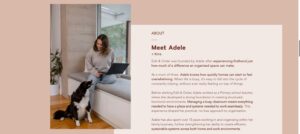
Adele from Edit and Order does this everyday to help people. 

And while you might think twice about paying someone to help you organise and declutter, you also need to consider the fact that (a) you might make money from selling a few items, (b) you will give the removalists less money when you move, and finally (c) you will be happier. 

Click here to go to the Edit and Order website  

Before Packing — We Need to Talk About Boxes

Good boxes make a much bigger difference than people expect.

Benefits of using proper boxes:

- Easier to pack - they are good sizes - one proper moving box is often the size of 4 smaller boxes.
- Easier to stack - once packed, you stack the boxes, and the real boxes are all the same size. 3 boxes will perfectly sit on one another. All stable - waiting for the moving day.
- Easier to trolley - an easy stack is easy to trolley. Don't pick them up, don't slide them, trolley them, all of them.
- They won't fall apart - they will last for years, and won't collapse, fall over etc on or before the day of the move.

Real removalist boxes create efficiencies all over the place.
Random supermarket boxes or mismatched cartons often slow the move down significantly - what would have been one trip with a trolley (2 minutes) has become 6 minutes.

It's hard to quantify, and obviously it depends on what you pay for the boxes, buy I honesly believe that in many cases, spending money on decent boxes actually saves money overall because your move becomes more efficient - and time is money when removalists are involved.

You can buy boxes new from hardware stores or storage places, source them second-hand through Facebook Marketplace, or rent reusable moving crates. The important thing is consistent sizing and strength. And when you are done, you can sell them again for good money - which means they really haven't cost you as much as you thought.

How many boxes do you need? - walk through your house and just count boxes as you see storage units/books/cupboards. A kitchen is about a box for a couple of full cupboards, chest of drawers is a couple of big boxes. This might take 10 minutes, but then you know what you need and it's often more economical to buy larger packs etc. If you have a few extra you can often return them to the store anyway.

Other materials you'll need are:
- Tape (approx 1 roll per 10 large boxes)
- tape dispensers (get a couple - you'll keep losing it)
- Labels or pens (buy a few - you'll keep losing them)
- bubble wrap or eco paper wrap is great.

The better your preparation is, the packing becomes.

How to Pack for Moving House – Advice from Professional Torquay Removalists

Pack Smarter, Protect Your Belongings and Save Money on Your Move

Packing might seem like the easy part of moving house, but the way you pack can make an enormous difference to how smoothly your move goes. Good packing protects your belongings, makes loading and unloading faster, reduces the amount of space required in the truck and can save you a surprising amount of money.

As experienced removalists in Torquay, we've seen everything from beautifully organised homes ready to move in a few hours to houses filled with hundreds of half-packed bags, loose items and collapsing boxes. The difference in moving time can be enormous.

The good news is that packing properly isn't particularly complicated. You just need the right materials, a little planning and an understanding of how different items should be packed.

Here's our guide to packing your home, room by room.

Start With Proper Moving Boxes

Before you start packing anything, get yourself some decent boxes. This is probably the single most important packing tip we can give you.

It's tempting to collect whatever cardboard boxes you can find, but dozens of mismatched boxes can make a move considerably slower. Proper moving cartons are strong, stack neatly, fit through doorways and can be carried efficiently. They also make much better use of the available space inside a moving truck.

You don't necessarily need to buy brand-new boxes. Facebook Marketplace is often a great place to find second-hand moving cartons, and reusable plastic moving crates are another excellent option.

Good moving boxes can actually pay for themselves. If you're paying removalists by the hour, the time saved carrying, stacking and loading properly packed cartons can outweigh the cost of buying them.

Use smaller boxes for heavy belongings and larger boxes for lighter items. A box filled with books shouldn't weigh the same as a washing machine!

Packing Kitchen Items – The Room That Takes the Longest

The kitchen is often one of the most time-consuming rooms to pack. Cupboards that look relatively empty can produce an astonishing number of boxes once everything is individually wrapped and packed.

Start with items you rarely use, such as serving dishes, spare glassware, baking equipment and appliances. Leave your everyday essentials until the final few days.

Plates, Bowls and Crockery

Plates should ideally be individually wrapped in packing paper and packed vertically, like records in a filing cabinet, inside a strong box with cushioning underneath. This arrangement can reduce the pressure on the plates compared with stacking them flat.

Fill any gaps with crumpled packing paper or clean tea towels so nothing can move around inside the box. Movement is one of the biggest causes of breakages during transport.

Avoid making crockery boxes too heavy. It's much better to have two manageable boxes than one enormous carton that's difficult to lift.

Glasses, Mugs and Fragile Kitchenware

Wrap glasses individually, paying particular attention to stems, handles and delicate edges. Use plenty of cushioning at the bottom and around the sides of the box.

For particularly fragile glassware, purpose-made divided cartons can be worth the investment.

One of our favourite packing tricks is using things you already own. Tea towels, hand towels and clean linen make excellent supplementary padding and can reduce the amount of disposable packing material you need.

Bubble wrap certainly has its uses, particularly for delicate objects, but it's not always the best or most economical solution. Good packing paper, suitable cushioning and a properly filled box often work extremely well.

Always label fragile cartons clearly, but remember that writing "FRAGILE" on a box doesn't replace packing it properly.

Pots, Pans and Small Appliances

Pots and pans are relatively straightforward. Nest them where possible, placing towels or packing paper between surfaces to prevent scratching.

For appliances such as coffee machines, mixers and food processors, remove loose components and pack them separately or secure them appropriately. If you still have the original packaging, it can be particularly useful for delicate appliances.

Make sure everything is clean and dry before packing, especially appliances that contain water.

Packing Books – Small Boxes Are Essential

Books are deceptively heavy.

A large carton filled with books can quickly become difficult or unsafe to lift, and the bottom may fail under the weight.

Use small, strong moving cartons and keep the weight manageable. Place larger books flat or pack books upright with their spines supported, avoiding arrangements that bend or damage the covers.

Fill remaining space with lightweight items such as cushions or soft furnishings if necessary, but don't use a large box simply because you have a lot of books.

This advice also applies to records, magazines, paperwork and other dense items.

Our advice: If you struggle to lift a packed box comfortably, it's probably too heavy.

Packing Bedrooms, Clothing and Linen

Bedrooms can be relatively quick to pack if you're organised.

Start with clothing you won't need before moving day, including out-of-season items. Suitcases are excellent for transporting clothing, shoes and other personal belongings.

Large moving cartons are ideal for pillows, doonas, blankets and lightweight linen. Vacuum storage bags can help reduce the space taken up by soft items, although you should avoid compressing delicate fabrics for extended periods.

Clothes hanging in wardrobes can be transported in wardrobe cartons, which allow garments to remain on their hangers. This can save considerable time at both ends of the move.

Before emptying your drawers, ask your removalist whether lightweight clothing can remain inside. Some drawers can travel with their contents, but this depends on the furniture's construction, weight and how it will be handled.

Never leave heavy or breakable objects inside drawers during transport.

Packing the Garage and Shed

Garages are one of the most underestimated parts of a house move.

People often calculate their moving volume based on the furniture inside the house, then remember the garage is filled with tools, shelving, bicycles, gardening equipment, camping gear and years of accumulated belongings.

Start the garage early. It's often the perfect place to begin decluttering because so many items haven't been used for years.

Tools and Hardware

Small tools, screws, bolts and hardware should be organised into strong containers or small boxes. Heavy metal tools can easily destroy weak cardboard cartons, so pay attention to weight and reinforce packaging where appropriate.

Secure sharp edges and blades to prevent injuries when handling the boxes.

Toolboxes are generally excellent for moving, provided they're properly closed and not overloaded.

Power Tools and Equipment

Remove detachable batteries where appropriate, protect exposed blades and moving parts, and secure loose accessories.

For battery-powered equipment, follow the manufacturer's transport instructions, particularly for lithium-ion batteries.

Paint, Fuel and Chemicals

This is important: don't assume your removalist can transport everything stored in your garage.

Petrol, gas cylinders, solvents, pool chemicals, pesticides and other hazardous materials may be prohibited from removal trucks or require special arrangements.

Ask your moving company what they can safely and legally carry before moving day. Never pack leaking chemicals or flammable liquids into ordinary moving cartons.

Unwanted hazardous materials should be disposed of through an appropriate local collection or disposal service.

Packing Electronics, Televisions and Computers

Electronics need a little extra attention because damage isn't always immediately visible.

Original packaging is ideal where available, particularly for televisions, monitors and expensive computer equipment. Otherwise, use suitable protective materials and sturdy cartons designed for the item.

Before disconnecting complicated electronics, take a photograph of the cables and connections. It can save a surprising amount of frustration when setting everything up again.

Keep remote controls, cables, power supplies and accessories together in labelled bags or small boxes.

Back up important computer files before moving, and keep valuable portable devices with you where practical.

Large televisions should be transported according to the manufacturer's recommendations, using suitable protection and secure positioning.

Packing Artwork, Mirrors and Valuable Items

Not everything belongs in an ordinary moving box.

Mirrors, framed artwork, antiques, sculptures and sentimental pieces often need individual protection and careful handling.

Use appropriate corner protection, cushioning and rigid packaging where necessary. For particularly valuable or delicate pieces, specialist cartons or custom packaging may be worthwhile.

Avoid applying adhesive tape directly to painted, polished or antique surfaces.

At Easy Eagles, we approach valuable and fragile items differently from everyday furniture. They may need additional blankets, carefully planned loading positions and dedicated space inside the truck.

For more information, visit our Antique Removalists Torquay page.

Choosing the Right Packing Materials

You don't need to spend a fortune on packing supplies, but choosing the right materials makes an enormous difference.

Here's what we recommend:

  • Small moving boxes: Books, tools, canned food and heavy kitchen items.

  • Standard moving boxes: General household belongings, crockery and smaller appliances.

  • Large moving boxes: Bedding, pillows, cushions and lightweight items.

  • Packing paper: Wrapping crockery, glassware and delicate objects.

  • Bubble wrap: Additional protection for suitable fragile items.

  • Strong packing tape: Securing cartons properly, including the bottom seams.

  • Markers and labels: Identifying contents and destination rooms.

  • Furniture blankets: Protecting furniture during handling and transport.

  • Stretch wrap: Securing suitable protective coverings or loose components, without applying damaging pressure.

One common mistake is spending heavily on bubble wrap while using poor-quality boxes. A strong, properly packed carton is often more important than the amount of wrapping inside it.

Try to avoid leaving empty space in cartons. If the contents can move around, they can collide with each other. Use packing paper or soft materials to fill gaps without overpacking.

Label Everything – You'll Thank Yourself Later

Labelling boxes might seem unnecessary when you're packing, but it makes an enormous difference at the other end.

Rather than writing something vague like "Kitchen Stuff", try "Kitchen – Glasses and Mugs" or "Bedroom 2 – Books".

Write the destination room clearly on at least two sides of each box so your removalists can identify it even when cartons are stacked.

This makes unloading faster and reduces the amount of time spent moving boxes between rooms after they've been delivered.

For important items, you can also number boxes and keep a simple inventory on your phone.

Don't Pack Everything – Keep an Essentials Box

One of the most frustrating moving-day experiences is arriving at your new home and discovering that everything you need is buried somewhere inside the truck.

Pack a clearly labelled essentials box or overnight bag with the things you'll need immediately.

Think about phone chargers, toiletries, medication, toilet paper, basic kitchen supplies, a change of clothes, bedding and anything your children or pets might need.

Keep important documents, keys, valuables and essential medication with you rather than loading them into the moving truck.

You'll be very glad you did when you're tired at the end of moving day.

How Good Packing Saves Money on Removals in Torquay

Here's something people often overlook: packing isn't just about protecting your belongings. It's also about efficiency.

A house filled with properly sealed, clearly labelled, consistently sized boxes can be loaded much faster than one containing hundreds of loose items, bags and mismatched cartons.

Good packing helps removalists use the available truck space efficiently, reduces repeated handling and makes unloading at the new property more straightforward.

When you're paying an hourly rate, those savings can add up.

Our Torquay movers regularly see how preparation affects the time required for a move. Spending a little extra time packing properly can be one of the simplest ways to reduce your overall moving costs.

And remember, you don't have to do everything yourself.

At Easy Eagles, we offer flexible moving options, including packing assistance, furniture disassembly and reassembly, and complete home relocations.

Whether you're packing the entire house yourself or would prefer our team to handle the difficult parts, we're happy to help you find an approach that suits your budget.

Need professional help with your move? Visit our Removalists Torquay page to learn more about our services or contact Easy Eagles for a moving quote.

Disassembling Furniture for Moving – What to Take Apart and What to Leave Together

Taking furniture apart can make moving much easier, particularly when dealing with large beds, heavy dining tables, desks and bulky furniture that won't fit through doorways. However, one of the biggest mistakes people make is disassembling far more than they need to.

Our advice is simple: take apart as little as possible, but make sure everything that stays assembled is strong enough to be moved safely.

Every time furniture is disassembled and reassembled, there's a chance of damaging fittings, stripping screws, weakening joints or losing important hardware. This is particularly true with flat-pack furniture, which isn't always designed to be repeatedly taken apart.

Only Disassemble What You Need To

Before reaching for the tools, consider whether the furniture actually needs to come apart.

Many dining tables, cabinets, desks and shelving units can be moved fully assembled, provided they're structurally sound and can fit safely through doorways, hallways and staircases.

Sometimes removing a single component, such as the legs from a dining table or the headboard from a bed, is all that's necessary.

Taking furniture apart unnecessarily creates more work at both ends of the move and can actually increase the risk of damage.

Use the Right Tools

Using the correct tools is essential, particularly when working with furniture fittings that can be easily damaged.

  • Allen keys: Commonly used for bed frames, flat-pack furniture and dining tables. Make sure you're using the correct size.

  • Screwdrivers: Use the correct type and size of screwdriver head to avoid stripping screws.

  • Socket sets and spanners: Often better for furniture bolts than adjustable tools that can slip.

  • Cordless drills: Useful for removing multiple screws, but use a low torque setting and take particular care when tightening fittings during reassembly.

  • Rubber mallets: Can help release certain furniture joints without damaging surfaces, provided the furniture is designed to separate that way.

Avoid forcing stubborn fittings. If a bolt won't turn, check that you're using the right tool and that there isn't another fixing holding the furniture together.

Keep Every Bolt, Screw and Fitting Together

This is one of the most important furniture disassembly tips we can give you.

There's nothing more frustrating than arriving at your new home with a dismantled bed and discovering that nobody knows where the bolts have gone.

Whenever you disassemble furniture, place all the screws, bolts, washers, brackets and other fittings into a small, clearly labelled bag.

Never mix fittings from different pieces of furniture. Even bolts that look identical can have slightly different lengths or threads.

Label each bag with the furniture it belongs to, such as "Master Bedroom Bed Frame" or "Dining Table Legs".

Where practical, securely attach the bag to the corresponding piece of furniture in a location where it won't scratch the surface or get lost. Otherwise, keep all labelled hardware bags together in a dedicated container.

For complicated furniture, take photographs before and during disassembly. A few photos showing how brackets, bolts and panels fit together can save a lot of confusion later.

Make Sure Furniture Is Still Structurally Strong

Sometimes removing part of a piece of furniture can make the remaining structure surprisingly weak.

A large desk might rely on its back panel for stability. A bed frame might become unstable when its centre support is removed. Some cabinets depend on shelves or internal panels to keep everything square.

Before moving partially disassembled furniture, check that the remaining structure is rigid enough to be lifted and transported safely.

If the furniture starts twisting, wobbling or separating when lifted, it may need additional disassembly or proper support.

Don't assume that leaving furniture mostly assembled automatically makes it stronger. The important thing is understanding which components provide structural support.

Be Particularly Careful With Flat-Pack Furniture

Flat-pack furniture deserves special attention.

Many pieces use particleboard, MDF, cam locks and specialised fittings that can weaken after repeated disassembly.

Screws driven directly into particleboard may not grip as firmly when reinstalled, and forcing fittings can cause the material to split or crumble.

If flat-pack furniture is strong enough to move assembled, that may be the better option. However, large wardrobes and shelving units can be too flexible or heavy to transport safely in one piece.

Consider the furniture's condition, construction and access before deciding what to dismantle.

Take Care When Reassembling Furniture

Once everything has arrived at the new property, don't rush the reassembly.

Make sure all components are correctly positioned before tightening bolts fully. With furniture that has multiple fittings, it often helps to start all the bolts loosely before tightening them evenly.

Avoid overtightening screws, especially in timber, MDF and particleboard.

Once assembled, check that the furniture is stable, all fittings are secure and any required wall restraints have been installed. Tall wardrobes, bookcases and other furniture that could tip should be appropriately anchored.

How Furniture Disassembly Affects Your Moving Costs

Disassembling furniture can save time when it makes large pieces easier to carry through tight spaces or allows them to fit more efficiently inside the moving truck.

However, dismantling everything in the house can have the opposite effect. The time spent removing and replacing dozens of bolts can easily outweigh any benefit.

Experienced Torquay removalists can help identify which pieces actually need to come apart and which are better left assembled.

At Easy Eagles, we can assist with furniture disassembly and reassembly as part of your move. Our aim is to keep the process practical: take apart only what's necessary, protect the furniture and make sure everything is secure when it's put back together.

How to Move Furniture Safely – Protecting Your Furniture and Your Home

Moving furniture isn't just about getting it from one house to another. It's about making sure both the furniture and the properties are protected along the way. Scratched floors, chipped door frames, damaged walls and broken furniture are often the result of rushing or failing to plan how an item will be moved.

As experienced Torquay removalists, we know that a little preparation can prevent a lot of unnecessary damage.

And before any more tips - please be careful and sensible - moving pianos down stairs is really really dangerous and requires the professionals. Similarly Antiques are incredibly hard to move correctly, so consider using local Torquay removalists for these items. Visit our pages:

Piano Removalists Torquay and Antique Removalists Torquay

Protect Your Furniture Before Moving It

Furniture should be properly protected before it leaves the room, particularly items with polished surfaces, sharp corners, glass panels or delicate finishes.

  • Furniture blankets: Use proper removalist blankets to protect timber furniture, tables, cabinets and other large items from scratches and knocks.

  • Stretch wrap: Useful for securing blankets around furniture and keeping suitable loose components together. Avoid applying it directly to delicate finishes.

  • Corner protection: Particularly helpful for tables, cabinets and furniture with sharp edges.

  • Remove loose items: Take out removable shelves, glass panels and anything that could fall or shift during transport.

  • Secure doors and drawers: Make sure they cannot swing open while the furniture is being carried, without applying tape directly to finished surfaces.

Good furniture protection is particularly important when moving antiques, expensive furniture and sentimental pieces that may be difficult or impossible to replace.

Protect Walls, Door Frames and Floors

It's easy to focus on protecting the furniture while forgetting about the house itself.

Before moving large items, check the route from the room to the truck. Look for narrow hallways, tight corners, low ceilings, stairs and doorways that might cause problems.

Door frames and corners are particularly vulnerable to damage. Protective padding can make a big difference when manoeuvring bulky furniture through tight spaces.

Use appropriate floor protection where necessary, especially on polished timber, delicate flooring and surfaces that could be scratched by grit or moving equipment.

Never drag heavy furniture across floors without suitable protection. Even furniture with felt pads can cause damage if dirt or grit becomes trapped underneath.

Measure First and Plan Your Route

One of the most common mistakes when moving furniture is getting halfway through a doorway before discovering that the item won't fit.

Measure large furniture and check doorways, stairwells and narrow sections before lifting.

Sometimes rotating a couch, removing table legs or taking a door off its hinges can make the difference between an easy move and a difficult one.

If something doesn't fit, don't force it. Stop, reassess and find a safer approach.

Use the Right Moving Equipment

Furniture trolleys, dollies, moving blankets and suitable straps can make moving large items much easier.

However, the right equipment depends on the furniture, the weight, the surface and the access. A trolley that's perfect on a flat driveway might be unsuitable for stairs or uneven ground.

Always make sure furniture is balanced and secured before moving it on a trolley.

Take Your Time

Rushing is one of the easiest ways to damage furniture or property.

Clear the path, communicate with anyone helping, and make sure everyone understands how the item will be moved before lifting it.

Professional removalists in Torquay deal with these challenges every day, but even experienced movers need to slow down when access is difficult or furniture is particularly delicate.

At Easy Eagles, protecting your furniture and your home is an important part of every move. Whether we're handling a full house relocation or a single piece of furniture, careful preparation and the right equipment help us get the job done safely.

Lifting Furniture Safely – Tips for Moving Heavy Items

Knowing how to lift furniture correctly is just as important as knowing how to protect it. Incorrect lifting can cause back injuries, strained muscles, crushed fingers and damage to furniture.

Don't Lift More Than You Can Safely Manage

Heavy or awkward furniture can be dangerous, even when it doesn't look particularly large.

Before lifting, assess the item's weight, size, balance and available handholds. Consider whether you can see where you're going and whether the route includes stairs, slopes or tight corners.

If you're unsure whether you can lift something safely, don't attempt it. Use suitable moving equipment or get professional assistance.

Use Good Lifting Technique

  • Stand close to the furniture with your feet in a stable position.

  • Bend through your hips and knees rather than rounding your back.

  • Keep the load as close to your body as practical.

  • Avoid twisting while carrying weight. Turn by moving your feet instead.

  • Lift smoothly rather than jerking the furniture upwards.

  • Keep your fingers away from pinch points, especially when lowering furniture.

  • Put the item down and reassess if you lose balance or control.

Good technique helps, but it doesn't make an excessively heavy or awkward lift safe.

Communicate When Lifting With Someone Else

When two people are carrying furniture, communication is essential.

Decide who will lead, agree on the route and make sure both people are ready before lifting.

Use clear instructions such as "lift", "stop", "turn" and "lower". Never suddenly release your end of a heavy item without warning.

Be Extra Careful on Stairs

Stairs are one of the most dangerous places to move heavy furniture.

The weight can shift unexpectedly, visibility is often limited and there's little room to recover if something goes wrong.

Large or heavy furniture on stairs is best handled by experienced removalists with suitable equipment and enough people for the job.

Use Equipment Instead of Relying on Strength

One of the biggest differences between professional movers and inexperienced people is knowing when not to carry something.

Furniture dollies, trolleys and other purpose-designed moving equipment can reduce manual handling and make the job safer.

The goal isn't to prove how much weight you can lift. It's to move the furniture without injuring anyone or damaging anything.

If you're planning a move and have particularly heavy or awkward furniture, our Torquay movers can help with the equipment and experience needed to handle it properly.

How to Pack a Moving Truck or Storage Unit – Making the Most of Your Space

Packing a moving truck properly is about much more than fitting everything inside. The way furniture and boxes are arranged determines how safely your belongings travel, how much space you need and how easily everything can be unloaded.

The same principles apply when packing a storage unit, although there are a few important differences.

As experienced Torquay removalists, we know that good loading is a combination of planning, protecting furniture, managing weight and understanding how items behave when they're packed together.

Start With the Heavy Furniture

Heavy, solid furniture generally belongs towards the bottom of the load, with lighter items packed above it where appropriate.

Large cabinets, sturdy chests of drawers, appliances and other substantial pieces can provide a stable foundation, provided they're positioned securely and can safely support anything placed around or above them.

Avoid putting heavy boxes on top of delicate furniture, and never stack heavy items above fragile belongings.

The aim is to build a stable load from the floor upwards, distributing weight evenly and keeping the truck balanced. In a moving truck, heavy items should also be positioned with the vehicle's axle loads and weight limits in mind.

Use Plenty of Furniture Blankets

One of the simplest ways to prevent damage is to use plenty of proper removalist blankets.

Blankets protect furniture from rubbing against other items, reduce scratches and provide cushioning between hard surfaces.

  • Place blankets between timber furniture and other hard objects.

  • Protect polished surfaces, corners and edges.

  • Wrap delicate furniture before loading it into tight spaces.

  • Use additional padding around glass, mirrors and fragile items.

  • Make sure blankets stay in place during loading and transport.

Don't be stingy with blankets. A few extra minutes spent protecting furniture can prevent expensive damage.

For long-term storage, use clean, breathable furniture covers where appropriate. Avoid sealing timber, leather or upholstered furniture tightly in plastic for extended periods, as trapped moisture can cause problems.

Understand Friction – It's Important

One of the less obvious parts of packing a moving truck is understanding friction.

When two items are packed tightly together, friction between their surfaces can help reduce movement. However, the same friction can also cause damage if unprotected furniture rubs together while the truck is travelling.

This is why removalist blankets are so useful. They create a protective layer between surfaces while helping items sit securely against one another.

The goal is to create a load where furniture supports neighbouring items without putting damaging pressure on them.

Remember that friction alone is not enough to secure a load. Furniture can still move during braking, cornering or travelling over bumps, so proper restraint is essential.

Avoid Gaps Wherever Possible

One of the biggest differences between an efficiently packed truck and a poorly packed one is the amount of unused space.

Large gaps allow furniture and boxes to move around, potentially causing damage. They also mean you're paying for truck or storage space that isn't being used effectively.

Try to pack items closely together, filling suitable gaps with boxes, cushions, bedding or other appropriately protected belongings.

Ideally, each section of the load should be packed firmly and evenly, without large unsupported spaces between items.

Some unused space near the top is perfectly normal. Not every truck or storage unit can be filled right to the ceiling, particularly when fragile or awkwardly shaped items are involved.

However, don't try to eliminate every gap by forcing furniture into spaces where it doesn't fit. A small amount of unused space is far better than damaging an expensive piece of furniture.

And remember, soft items can be useful for filling gaps, but they should never be relied upon to restrain heavy furniture.

Use Straps to Secure the Load

Furniture straps are essential when packing a moving truck.

Even a tightly packed load can shift when the vehicle brakes, accelerates or turns. Properly secured straps help prevent furniture from falling, sliding or placing excessive pressure on other belongings.

Use suitable load-rated straps attached to the truck's designated restraint points.

Pay particular attention to:

  • Tall cabinets and wardrobes that could tip over.

  • Heavy appliances and furniture that could slide.

  • Large items standing upright.

  • Separate sections of furniture that need to remain stable.

  • Items near the rear of the truck that could fall when the doors are opened.

Avoid overtightening straps against delicate furniture. Use protective padding where straps contact finished surfaces.

It's often better to secure the load in sections as you go rather than waiting until the truck is completely full.

Pack Boxes Properly

Boxes are incredibly useful when loading a truck because their regular shape makes them easy to stack.

Place heavy, strong boxes at the bottom and lighter boxes above them. Make sure the cartons underneath can support the weight without crushing.

Stack boxes neatly, with their weight properly supported, and avoid building unstable towers.

Fragile boxes should be positioned where they won't be crushed or subjected to excessive movement. Never assume that a box labelled "FRAGILE" can safely support other heavy cartons.

Properly packed, consistently sized moving boxes make it much easier to fill spaces efficiently and create a stable load.

Protect Fragile and Awkward Items

Not everything can be packed tightly or stacked.

Mirrors, televisions, artwork, glass furniture and antiques often require dedicated positions with suitable padding and restraint.

These items may create some unavoidable dead space, but that's part of protecting them properly.

Never place heavy items on top of furniture that isn't designed to support them, and avoid allowing sharp corners or hard surfaces to press against fragile belongings.

Packing a Storage Unit – A Few Extra Considerations

Packing a storage unit follows many of the same principles as packing a moving truck, but there's one important difference: the contents won't be travelling down the road.

That means you don't need to account for braking and cornering in the same way. However, everything still needs to be stacked securely so it won't collapse, particularly when items are removed later.

When packing a storage unit:

  • Put heavy, sturdy items at the bottom.

  • Use blankets and appropriate covers to protect furniture.

  • Keep fragile items away from anything that could fall onto them.

  • Make use of vertical space without creating unstable stacks.

  • Leave access to belongings you might need during storage.

  • Keep furniture off damp surfaces where necessary and follow the facility's ventilation recommendations.

  • Avoid storing prohibited materials, including fuels and hazardous chemicals.

If you're storing belongings for several months, consider how easily you'll be able to retrieve things later. Packing everything tightly into every available corner might save space, but it can make accessing individual items very difficult.

For storage in Torquay, Store & More is a local option worth considering when organising your move.

Good Packing Can Save You Money

A well-packed moving truck can reduce the number of trips required, while efficient storage packing may mean you can use a smaller storage unit.

But there's a balance. Saving a little space isn't worthwhile if it means putting your furniture at risk.

Professional removalists in Torquay understand how to combine efficient loading with proper furniture protection and load restraint.

At Easy Eagles, we aim to make the best possible use of the available truck space while keeping furniture protected and securely loaded.

Whether you're moving house, relocating between Torquay and Melbourne or putting belongings into storage, the goal is simple: pack tightly where it's safe, protect everything properly and make sure nothing can move or fall.

quick quote

(takes about 1 minute)